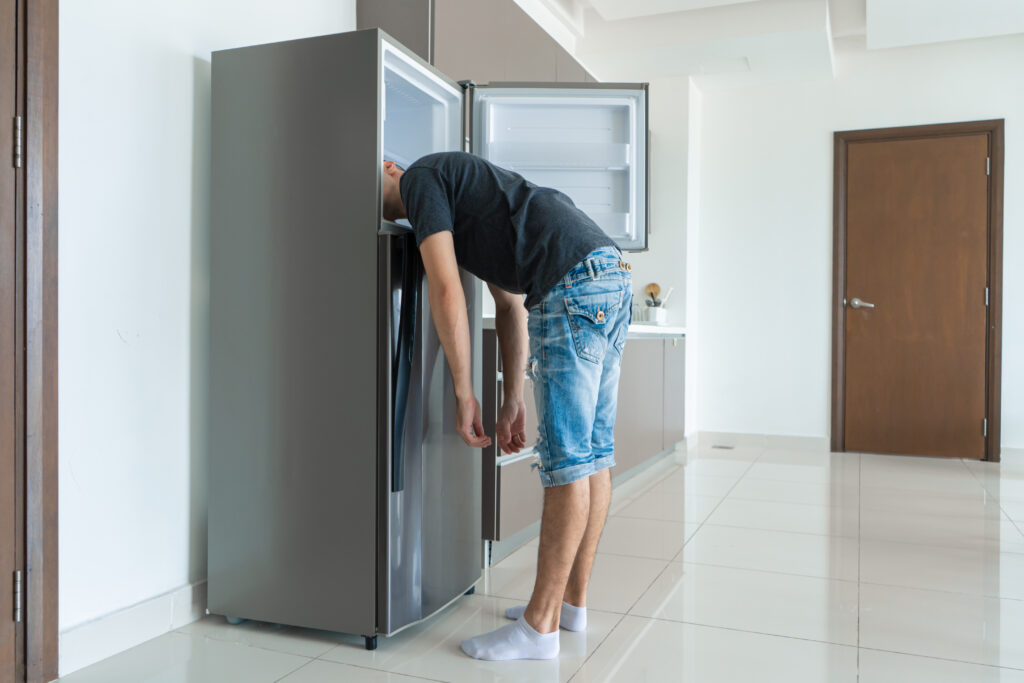
Your air conditioner always seems to break on the hottest day of the year. It’s like your AC has a built-in sensor that says, “Oh, it’s 95 degrees outside? Perfect time to quit!”
Here in Waterloo, Cedar Falls, and the surrounding Iowa communities, we know summer heat waves can be brutal. When your AC stops working during these scorching days, it’s not just uncomfortable, it can be dangerous for your family’s health and safety.
Why Air Conditioners Fail in the Heat
The most common culprit? A failed capacitor. This small but crucial part helps your AC motor start and run smoothly. When it’s hot outside, your air conditioner works overtime to keep your home cool. All that extra work puts stress on the capacitor, and eventually, it gives out.
The problem is often made worse by poor maintenance. Systems that haven’t been serviced recently are much more likely to break down when you need them most. It’s like asking someone to run a marathon without any training…They’re probably going to collapse before the finish line.
What to Expect During Peak Heat
Don’t panic if your thermostat reads a few degrees higher than your setting during the hottest part of the day. Between 3:30 and 6:30 PM, when outdoor temperatures soar, it’s normal for your AC to struggle a bit. Most systems in Iowa are designed to handle outdoor temperatures up to 92 degrees efficiently.
When the heat index climbs to 100 degrees or higher, you might see your indoor temperature rise 2-3 degrees above your thermostat setting. This is normal and should correct itself by evening as outdoor temperatures drop.
The Importance of Regular Maintenance
The best way to avoid a summer breakdown is regular maintenance. Having your system checked at least once a year, preferably in spring before the hot weather hits, can catch problems before they leave you sweating.
During a maintenance visit, technicians check:
- Air filters (dirty filters make your system work harder)
- Refrigerant levels (low refrigerant means poor cooling)
- Capacitors and electrical connections
- Overall system performance
When You Need Emergency Repairs
If your AC does break down during a heat wave, you may need AC repair. Here’s what you should know:
Check Your Breaker: Sometimes what seems like a major AC failure is actually a tripped circuit breaker. Check your electrical panel – if a breaker has flipped, try resetting it once. If it trips again, leave it off and wait for professional help.
Stay Hydrated: During heat waves, it’s crucial to drink plenty of water and avoid prolonged outdoor activities. Keep curtains closed during the day and use fans to circulate air while you wait for repairs.
Create Cool Zones: Set up a temporary cool area in your home’s lowest level or a room with the fewest windows. Use box fans in windows to pull cool air in at night and push hot air out during the day.
Know When to Leave: If indoor temperatures exceed 85°F and you have elderly family members, young children, or anyone with health conditions, consider staying with friends, family, or visiting public spaces like libraries or shopping centers with air conditioning.
Then, once help arrives, make sure that whatever company you’re working with, repair costs, warranties, and service details are clearly written down before any work begins!
Gubbels Can Help
Summer heat waves are tough on both you and your air conditioner. The best defense is regular maintenance and having a trusted AC company’s number handy before you need it.
Don’t wait until your AC breaks down on the hottest day of the year. Schedule your maintenance check now, and stay cool all summer long.
Having AC troubles in the Waterloo-Cedar Falls area? Contact Gubbels for reliable service and honest pricing. We understand Iowa summers, and we’re here to keep your family comfortable. Call us at (319) 208-6433 or schedule service online.